“Everyone should eat and drink and take pleasure in all his toil—this is God’s gift to man.”
— Ecclesiastes 3:13
The Arrival
I heard about Michelin coming to the Philippines a few months ago and honestly, I was happy about it. Curious, even. I’ve always wondered how the Philippines would look under that kind of rubric, how we’d fare in that particular conversation about excellence. Which Filipino restaurants would make the mark?
It’s exciting, really. I’ve always been curious about the buzz surrounding a restaurant that gets recognized by Michelin. I mean, I’m not exactly allergic to the finer things in life. I once had an iPad Pro 4th Gen with an Apple Pencil — that was a season. And about twenty years ago, I got to stay in a five-star hotel for three days and two nights. By 90s standards, of course. Those things were good. Fleeting, yes, but good. Worth experiencing.
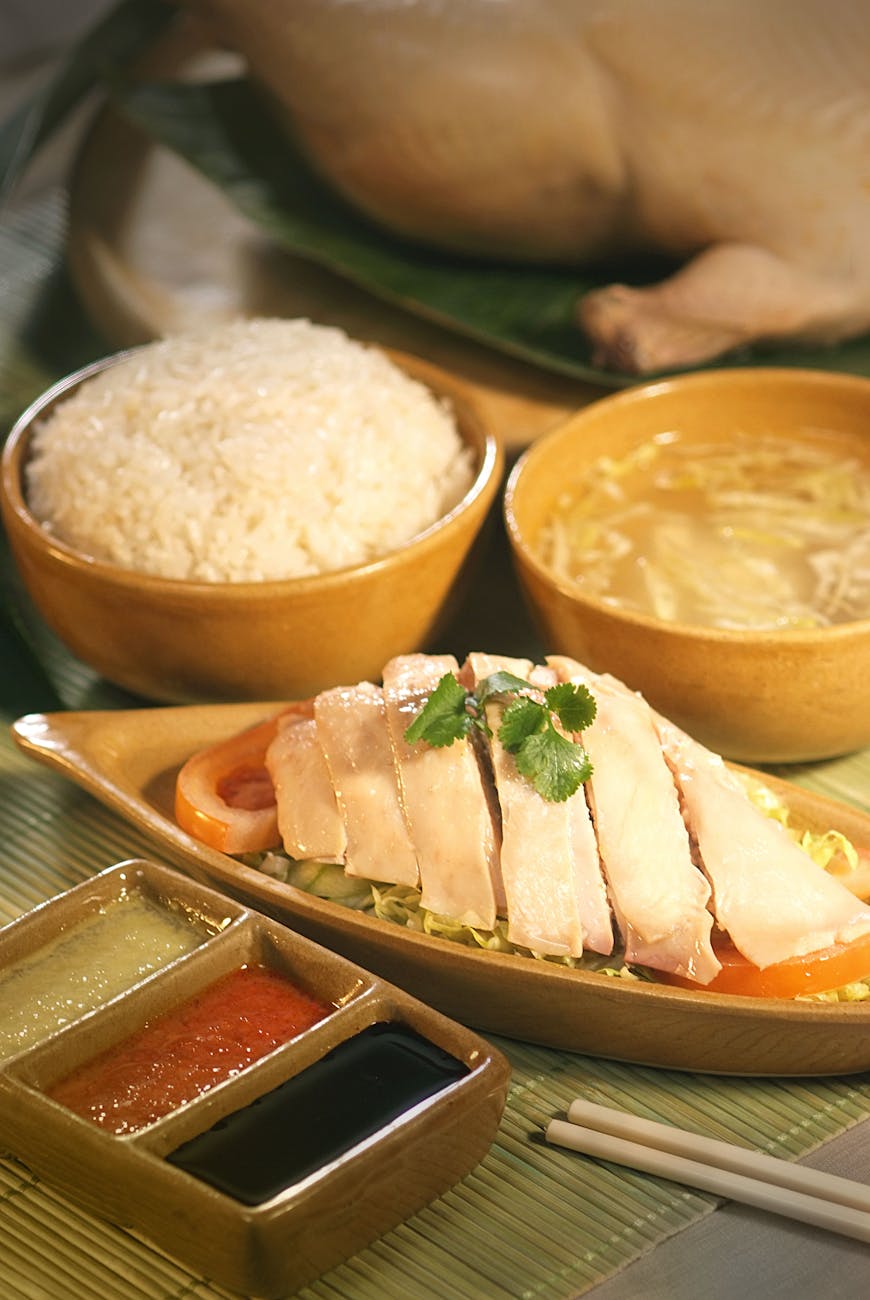
My curiosity about Michelin started, oddly enough, with Hawker Chan coming to the Philippines. I had no idea what a Michelin award was, but when you combine prestige and affordability in your marketing, that’s a pretty compelling combo. I ended up discovering the humble joy of soy chicken before I ever made it to Singapore, where the original Hawker Chan is from.
The point is, Michelin must be on to something when they say a thing is “good” or “worth getting out of your way for.” I’m not rich, but I added it to my little mental list of nice-to-haves. If I see a restaurant with a star, I’ll take a second look. Maybe take a photo in front if I can’t afford it, then look for a cheaper analog nearby. Ha.
The Language of Food
But no, Michelin doesn’t change how I see food. For people in the fine-dining world, sure, that changes a lot. They’ve been conditioned to give weight to what institutions like Michelin say. For me, food has always been an intimate way of bridging gaps. It’s like another language when words fail.
The quality of the food, the care put into it — those are statements of meaning. A messed-up adobo can communicate neglect, maybe even contempt, because adobo’s almost impossible to mess up.
So Michelin, to me, is just another curator. It helps me know what to aim for, or what to avoid. Aim for, in the sense of excellence; avoid, in the sense of price. Sometimes the more the stars, the more expensive. That’s just math.
The Rubric and the Real
I remember watching Marco Pierre White talk about Michelin and I found myself nodding a lot. He’s right: food is drenched in subjectivity. It’s an art form that resists any one-size-fits-all measure. Michelin, in that sense, stands on borrowed legitimacy. Its authority is cultural, not absolute.
And yet, I don’t resent it. It started as a travel guide, pointing people to places worth burning your tires for. That’s kind of poetic. It’s service. It stirs the economy. It inspires excellence.
The Friendship of Flavor
When I enjoy something done really well — a meal, say — what happens in me feels personal. Almost relational. I go back. I want to know it better, like how you’d get to know a friend over time. You learn its nuances, the small quirks that make it what it is.
It sounds funny, but it’s how people describe sex: an act of knowing deeply.
Food is physical, yes, but also emotional. It tells stories about where it came from, who made it, what kind of people keep it alive. When a meal is done really well, two things happen in me. First, I want to enjoy it modestly across my lifetime so I don’t ruin it by overdoing it. And second, I want to protect it — how it’s made, how it’s consumed, what it represents. Good food usually comes from a good story, and good stories deserve to be kept intact.
What am I chasing in those moments? Pleasure, yes. Connection, broadly. Maybe even history. The feeling lasts, or rather, I make it last when it gets tied to good people, good memories, a good culture. The meal becomes a souvenir of meaning, not just taste.
The Wisdom of Vanity
Ecclesiastes fits right there. To me, it’s one of the most human books in the Bible. It gives permission to enjoy things because God made those things. When something good is within reach and you have the means, maybe that’s God saying, Go ahead. Enjoy it. It’s from Me.
But it also reminds me that it will fade. It’s supposed to. These pleasures are crumbs of God’s glory — tiny, edible hints of something vast.
God equips us to enjoy, and then, in time, He de-equips us. The ability fades, the appetite changes, the moment ends, and that’s grace too. It’s how He teaches us to yearn for something that doesn’t end.
To enjoy rightly, then, is to remember that everything is temporary. Don’t hoard. Be generous. Let your joy trace its way back to God. Ecclesiastes says even the good things are vapor, but that vapor blows toward a Person.
The Artist Behind Taste
As for why God made flavor and color and texture, I think that’s just Him being Himself. Any creator leaves fingerprints. God is vibrant, dynamic, expressive, full of life. He’s the God of ordered freedom, letting us season and mix and improvise, but always within the laws He wrote into the world.
Every design principle we know — symmetry, contrast, rhythm, proportion — is probably a metaphor for something divine. The balance of His justice and mercy. The rhythm of truth and love. The contrast of holiness and humility in Christ. It’s all part of one magnificent composition.
Faith, for me, is allegiance and affection toward that kind of God. It’s not cold assent; it’s joy. Faith is both being a fan and a friend — admiration and intimacy.
The Taste of Worship
And worship, even at the table, starts with humility. Food isn’t there to show off with. It’s God literally telling us beautiful things — in flavor, in color, in the physical act of eating. It’s a way to taste and see that He is good. Michelin’s version of “good” barely scratches the appetizer of that reality.
When I think about heaven, the final feast, I imagine pleasure upon pleasure, but not in excess. It’s pleasure fulfilled, perfected, folded back into the Person of God Himself. Holy and intimate.
And that hope reshapes everything. Every meal becomes a signpost, every flavor a parable. I don’t know exactly what’s waiting, but Scripture gives me enough hints to anchor my longing. So I keep training my appetite — not for more luxury, but for more of Him.
The End of the Meal
To feast wisely, then, is simple. You don’t eat just for the food. Whether it’s a cheap beef bowl at Yoshinoya or some twelve-course eccentric parade at a Michelin-starred restaurant, what matters is who you’re feasting with, and what you’re feasting for.